## The Light of the Universe
Kashi Vishwanath, one of the twelve sacred Jyotirlingas, sits at the spiritual heart of Varanasi. For pilgrims across centuries, a single darshan here is believed to dissolve lifetimes of karma. The temple's gold-plated spire, visible above the lanes of the old city, is a beacon for millions of devotees every year.
## The Vishwanath Corridor
The reopened Vishwanath Corridor connects the temple directly with the ghats of the Ganga, dramatically improving access. A walk of around three hundred metres from Lalita Ghat now leads straight into the temple complex, with covered pathways, seating, and clear signage.
## Darshan Timings
The temple operates on an unusually long schedule to accommodate the constant stream of devotees.
- **Mangala Aarti**: 3:00 AM — 4:00 AM (advance ticket required)
- **General Darshan**: 4:00 AM — 11:00 AM
- **Bhog Aarti**: 11:30 AM — 12:30 PM
- **Afternoon Darshan**: 1:00 PM — 5:00 PM
- **Sapta Rishi Aarti**: 7:00 PM
- **Shringar Aarti**: 9:00 PM
- **Shayan Aarti**: 10:30 PM — 11:00 PM
Mondays, Mahashivratri, and the entire month of Shravan see exceptional crowds. Plan a weekday morning visit for the most peaceful darshan.
## Entry Gates
Four entry gates serve the complex — Gate 1 (Dhundhiraj), Gate 2 (Saraswati Phatak), Gate 3 (Chowk), and Gate 4 (Godhuliya). Gate 4 is closest to the corridor and most convenient for first-time visitors. Strict security checks are in place at every gate.
## Sparsh Darshan and Abhishek
Devotees seeking to touch the Jyotirlinga or perform a personal abhishek can book a sparsh darshan slot. These are limited and offered through the temple's official channel as well as authorised facilitators. Abhishek ceremonies are typically performed between 4:00 AM and 10:30 AM and require booking at least a day in advance.
## What to Carry — and What to Leave Behind
- Mobile phones, cameras, leather items, and large bags are not permitted inside the sanctum
- Lockers are available near the main gates for a nominal fee
- Carry a small cloth bag for prasad and offerings
- Wallets and identity proof are allowed
## Dress Code
Traditional attire is strongly preferred. Men often wear dhoti-kurta or simple cotton clothing, while women wear saree or salwar-kameez. Western clothing is permitted if modest, but shorts, sleeveless tops, and athletic wear are discouraged.
## Combining the Visit
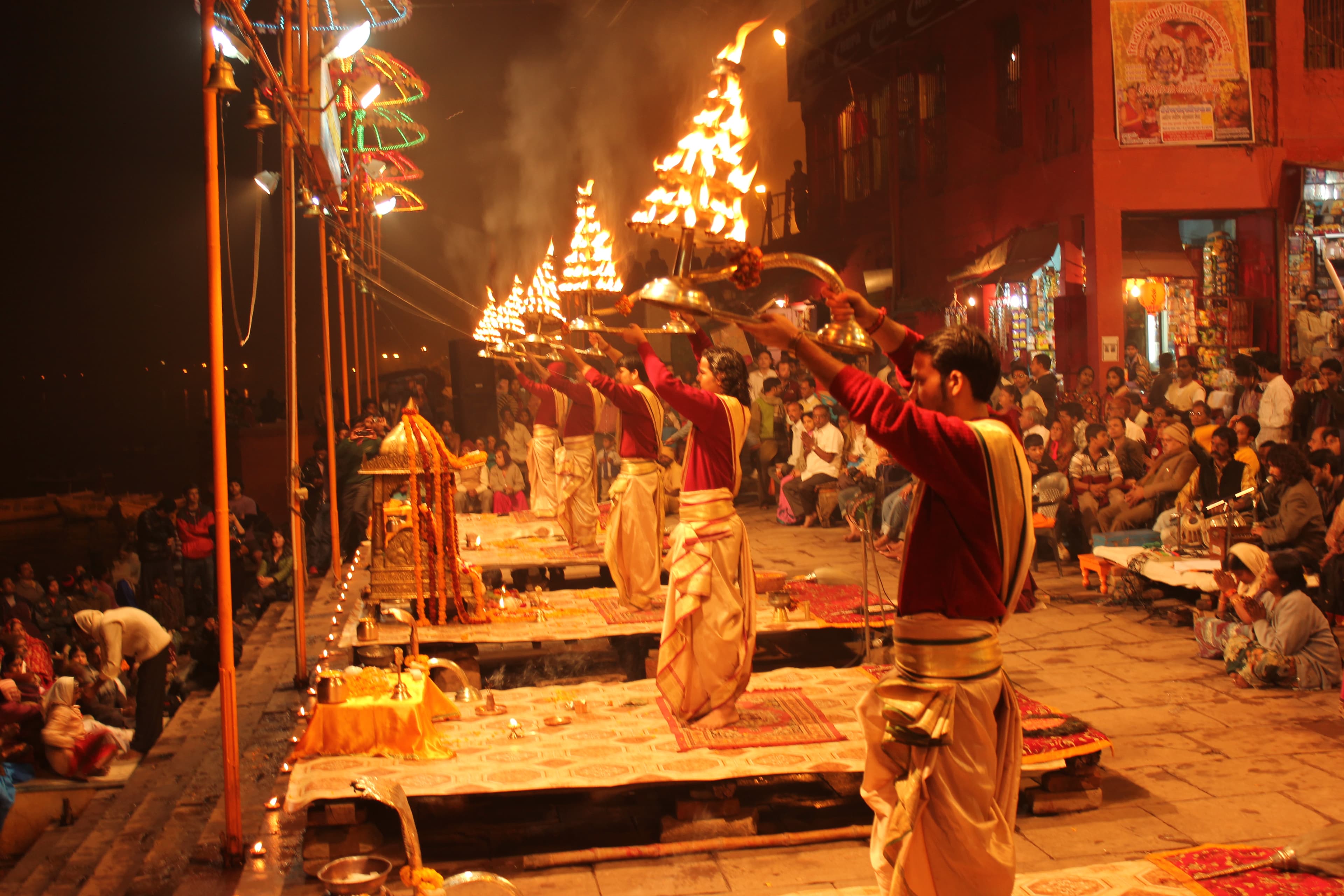
Most pilgrims combine Kashi Vishwanath darshan with a morning boat ride on the Ganga and the evening Ganga Aarti at Dashashwamedh Ghat. Allow at least one full day for the temple complex itself if you intend to do a leisurely darshan along with the Annapurna Temple, Kaal Bhairav, and the surrounding sacred spots.
## For NRI and First-Time Visitors
We recommend booking a guided darshan, particularly if you wish to perform an abhishek or sparsh. A verified pandit handles the ritual paperwork, escorts you through the corridor, and ensures the entire process — from sankalp to prasad — is performed correctly.
## Best Time of Year
October to March offers the most comfortable weather for darshan. Mahashivratri (February or March, depending on the lunar calendar) is the temple's most sacred night, drawing several hundred thousand pilgrims. If you prefer a quieter experience, plan for late October or mid-January, avoiding both monsoon and peak festival days.
P
Pandit Udhaybhan Pathak
Founder & Chief Spiritual Advisor
Pandit Udhaybhan Pathak is a well-known pandit and pujari from Ayodhya with over 30 years of experience in Vedic rituals and a deep understanding of the pilgrimage landscape across Ayodhya, Varanasi, and Prayagraj. He founded Namami Spiritual Yatra to bridge the gap between authentic spiritual experiences and modern travel convenience. His vision is simple: every soul deserves a meaningful encounter with the divine, regardless of budget, language, or physical ability.